How we measure, learn and share
Most of our data comes from running the service itself. Here is how we review it and who gets the results.
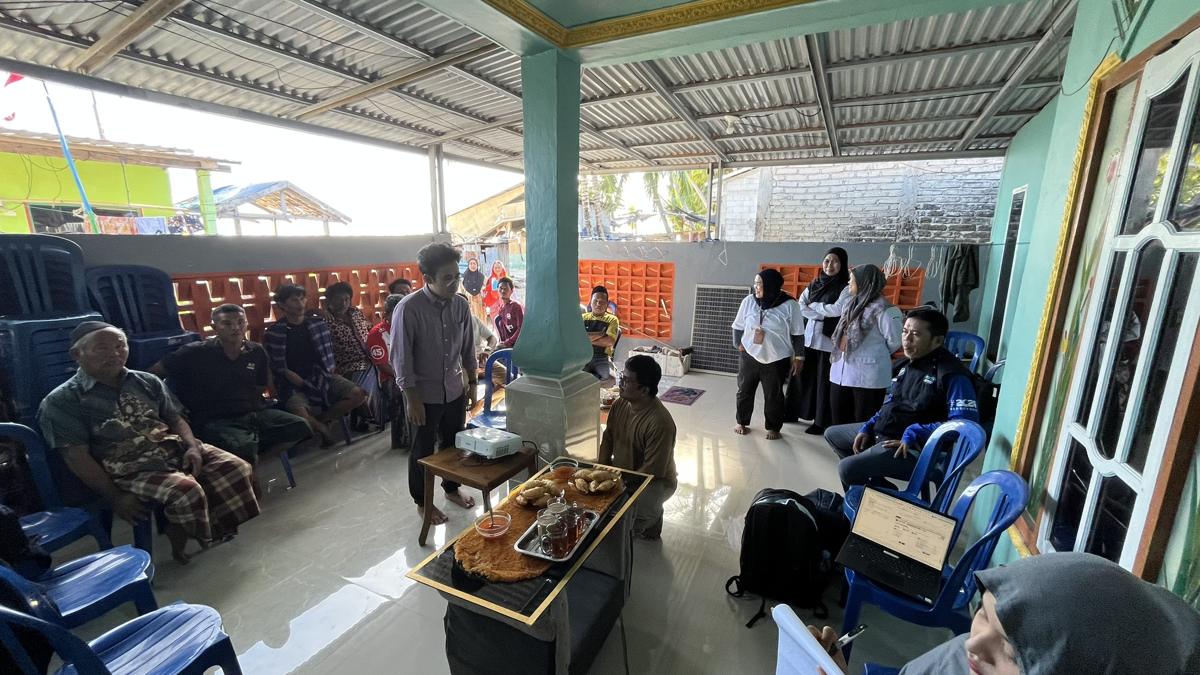
Each batch of fish has a temperature record from boat to buyer. Every purchase and sale is logged at the hub, each pack is tracked in a register, and the hubs record their energy use. A dashboard brings these together, and the field coordinator checks them for gaps or unusual readings.
Reviewing every month
Partners meet monthly to review the data against the pilot’s targets and risks. Alongside the service data, we track market fish prices, exchange rates, fishing days lost to weather or season, and which species and grades are landed, so we can tell a weak model from a weak season.
Fishers, women’s groups and operators give feedback through the hub committee and community meetings, and buyers report on quality. Each change to pack rules, prices or schedules is recorded with its reason.
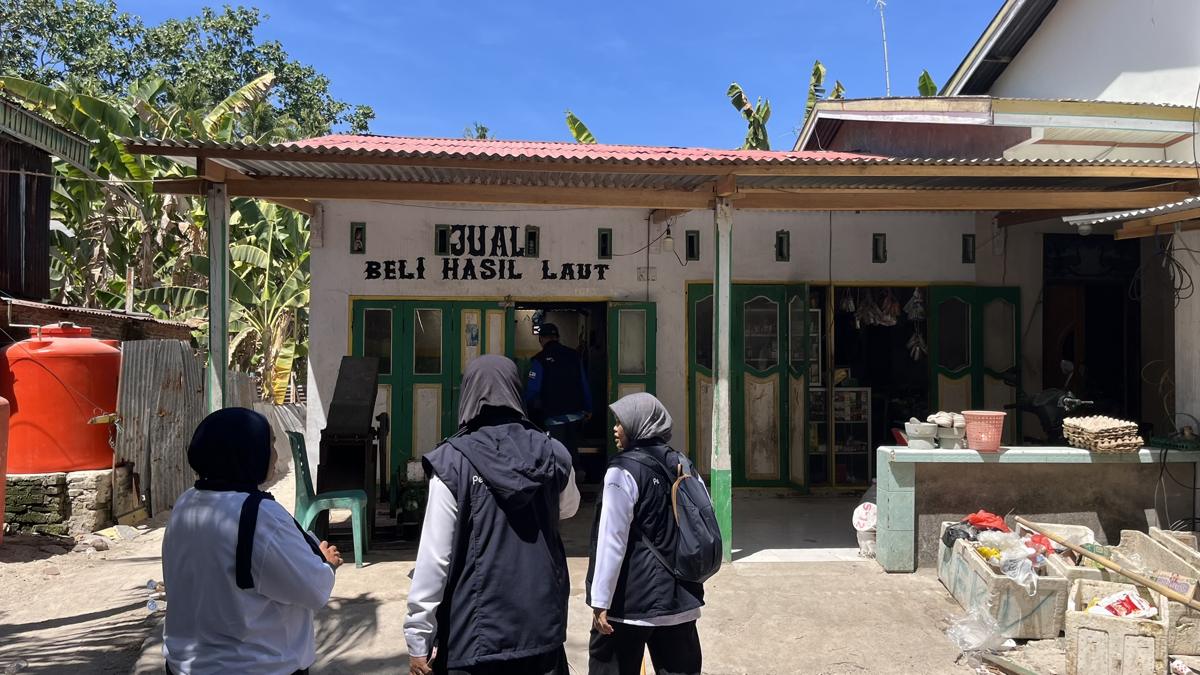
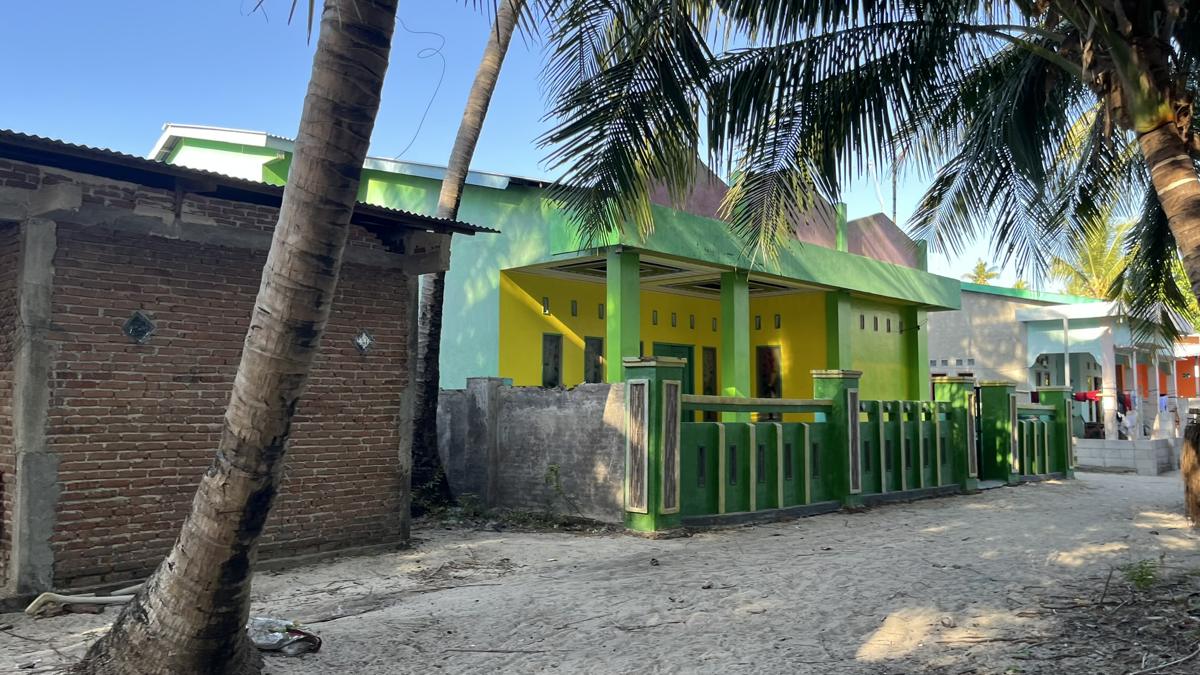 Village houses on Langkai.
Who gets the results
Fishers, women’s groups and operators receive a community toolkit in Indonesian with picture guides on pack handling, grading and food safety. The fisheries office and KKP receive a policy brief and a technical guideline on PCM pack handling. Researchers receive papers written with ITB and UNHAS, building on our paper submitted to AOGS 2026.
Study reports, anonymised survey data and the cost model will be archived on Zenodo with a DOI, so they stay openly available. Short articles, photos and videos are shared in Indonesian, English and Japanese.