Where Nelavo fits in Indonesia's blue economy
Indonesia already invests in cold storage for fishers. Nelavo adds the parts those facilities need to keep running.
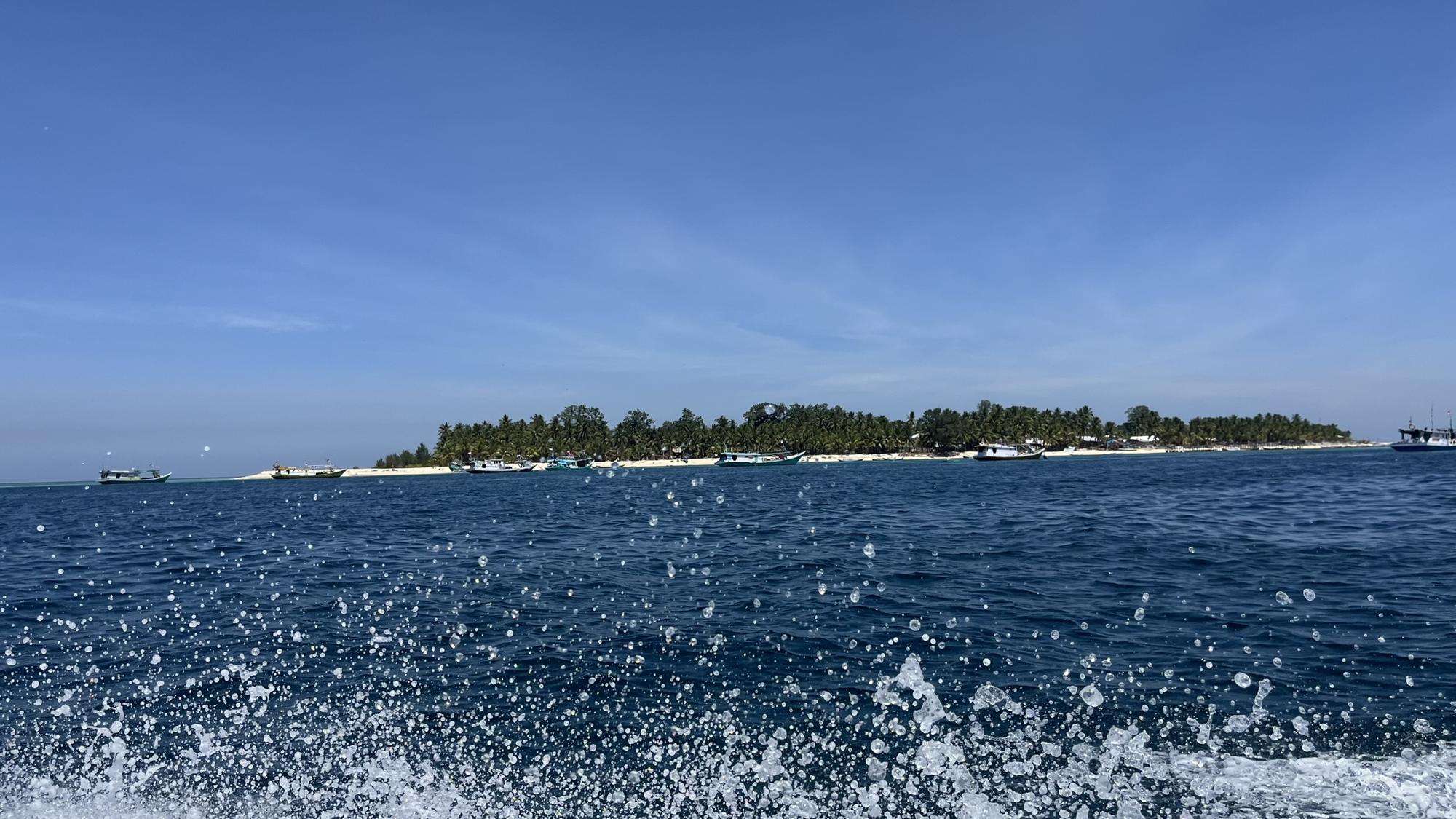
Indonesia’s Blue Economy Roadmap 2023–2045 sets out how the country wants its marine sectors to grow while protecting the ocean. Reducing the fish lost between landing and market is part of that, and so is cutting the fuel used to keep fish cold.
Losses start at the landing
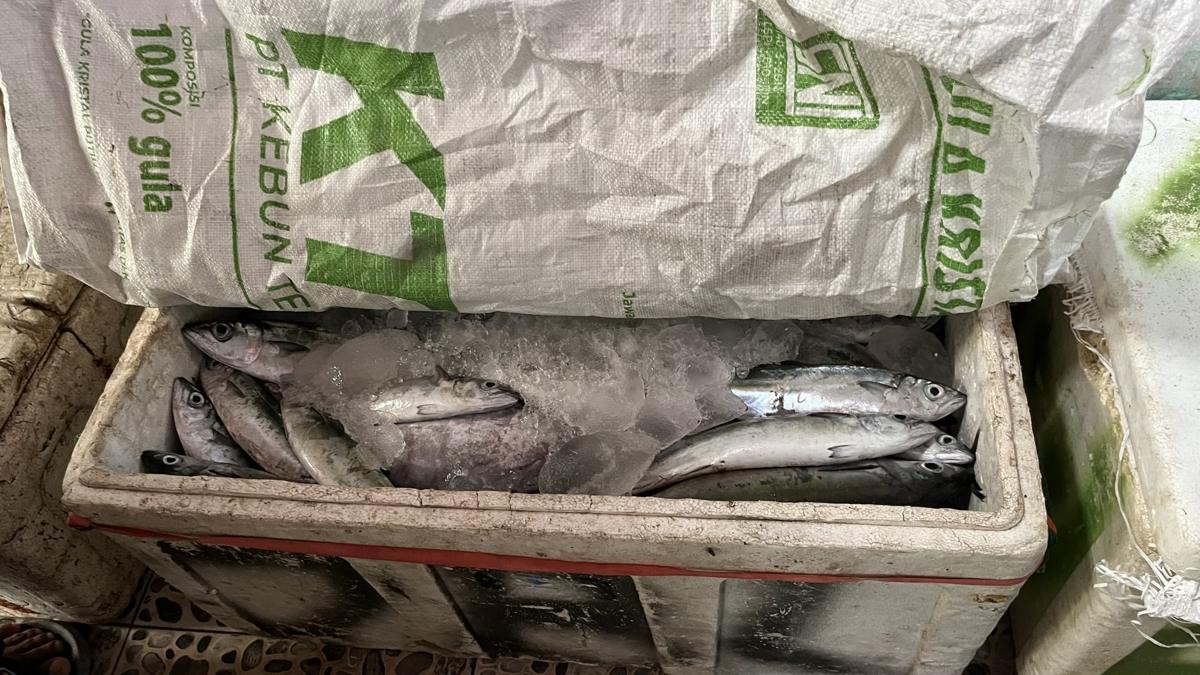
According to KKP, fishers have the highest post-harvest losses in Indonesia’s fish supply chain, at 7.78%. Fish that spoils before sale is income lost, and food that has to be replaced by more catch.
Adding to what exists
KKP’s Kampung Nelayan Merah Putih programme provides cold storage, ice plants, refrigerated vehicles and cool boxes managed by village cooperatives. Nelavo adds what such facilities need to keep running: trained operators, reusable packs, temperature records and committed buyers.
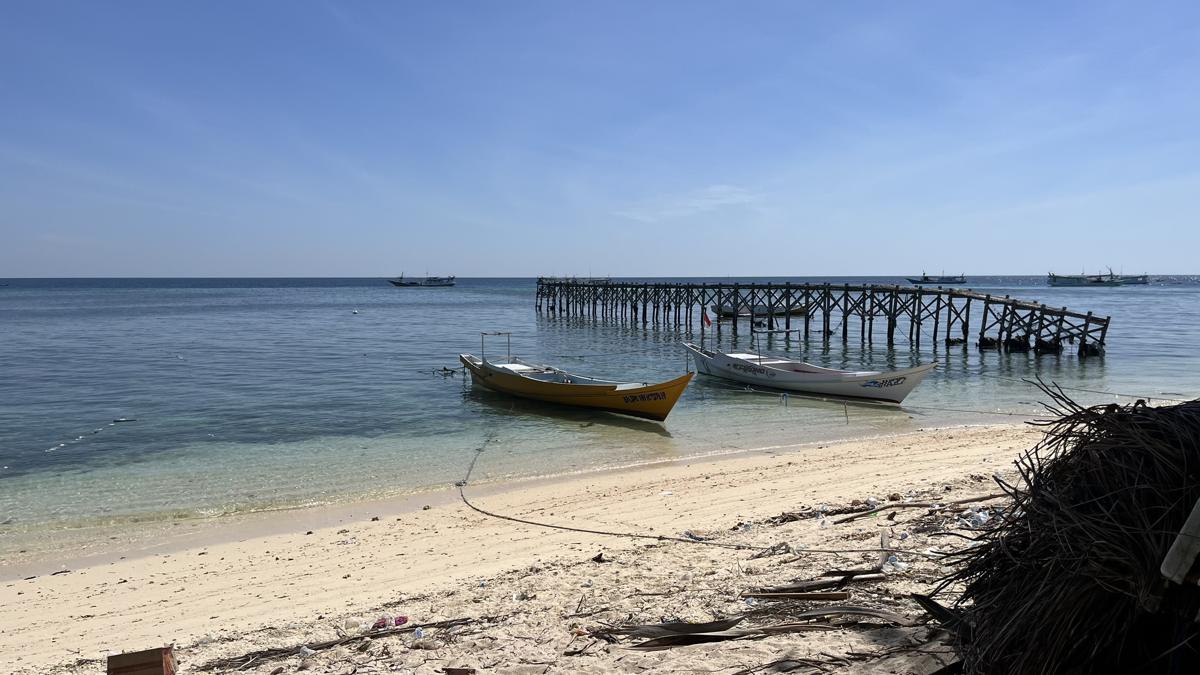
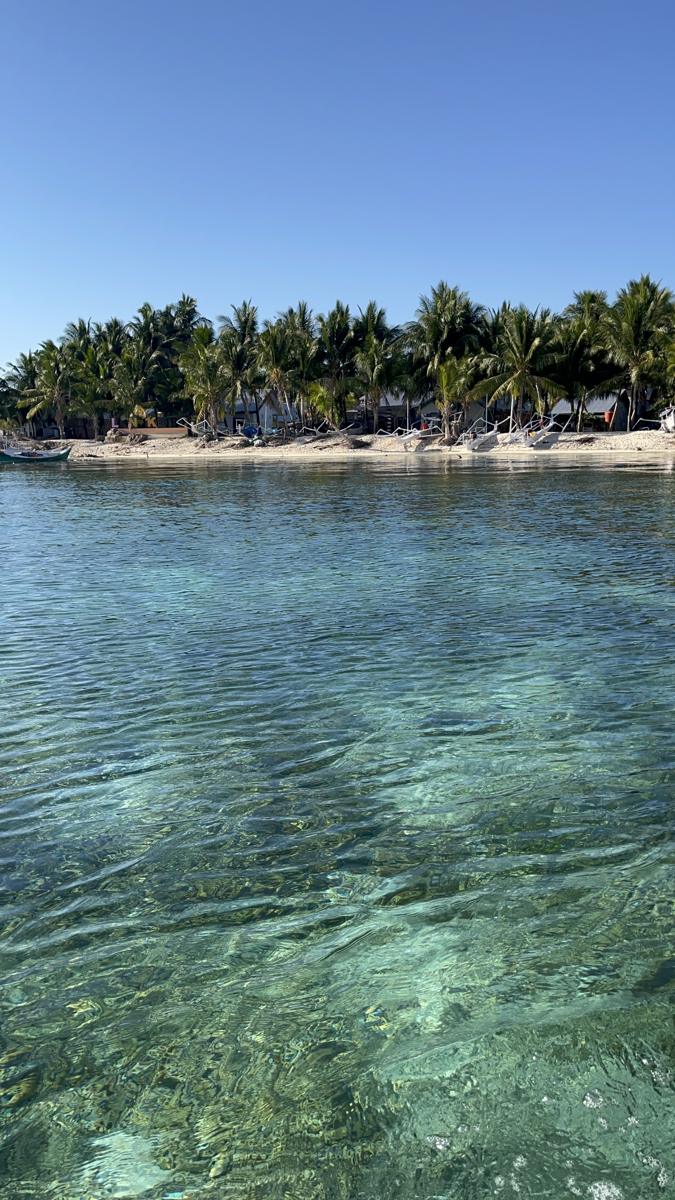 Clear water off Langkai.
Replacing diesel-made ice with solar cooling also supports Indonesia’s climate commitments, and the hubs’ energy and temperature logs provide the monitoring data a future Indonesia–Japan Joint Crediting Mechanism assessment would need.
Sources: KKP, Directorate of Processing and Quality, performance report Q4 2023 (post-harvest losses); KKP Kampung Nelayan Merah Putih programme, as reported by Media Asuransi, April 2026 (5,000 villages by 2029).