Two off-grid solar hubs: one on Langkai, one in Makassar
Each hub is a small cold store run on solar power that charges the packs and keeps the catch cold.
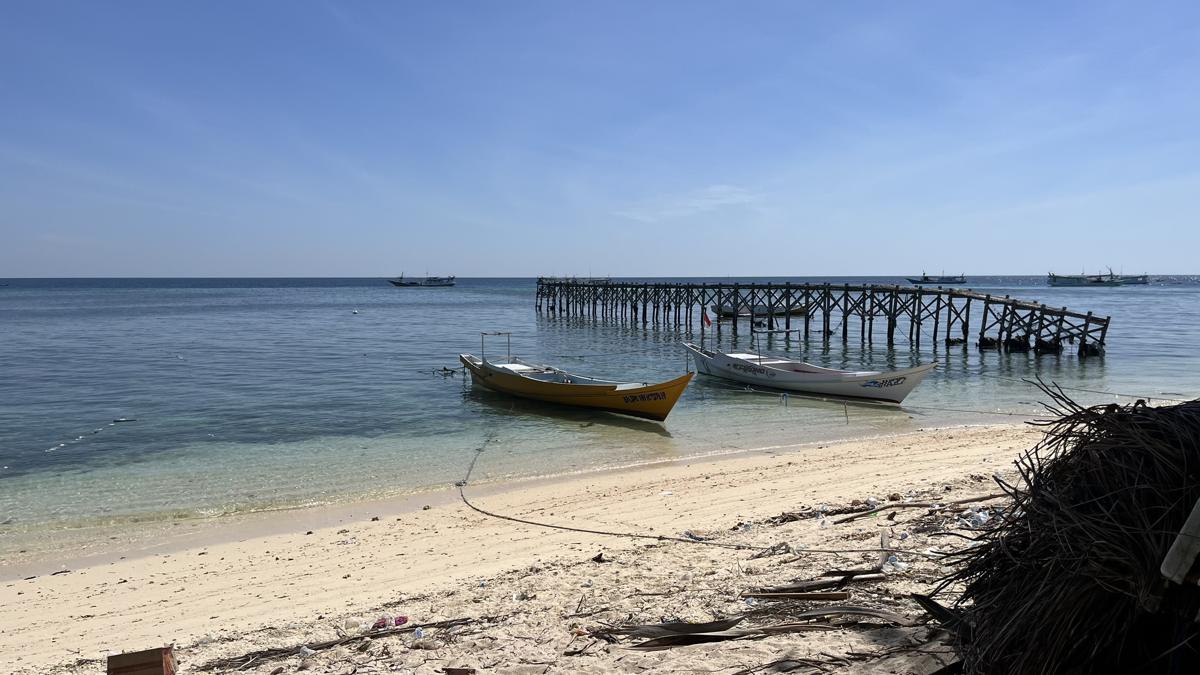
Nelavo’s pilot has two hubs. One sits at the landing site on Langkai, where fishers bring in their catch. The other is near the fish market in Makassar, where fish is dispatched to buyers and packs are rented to traders for inland routes.
Solar power stored as cold
Each hub is a small cold store powered by solar panels with battery backup. Its main job is to freeze the PCM packs and store fish. Because the packs work like a thermal battery, the hub can turn spare solar power into stored cold during the day, which reduces how much battery capacity it needs.
ITB is sizing both hubs for the most cost-efficient balance of battery capacity and solar panel area, using the expected landings at each site. On Langkai, the peak matters most: on a good day in the pelagic season, fishers report around five tonnes of fish on the beach at once.
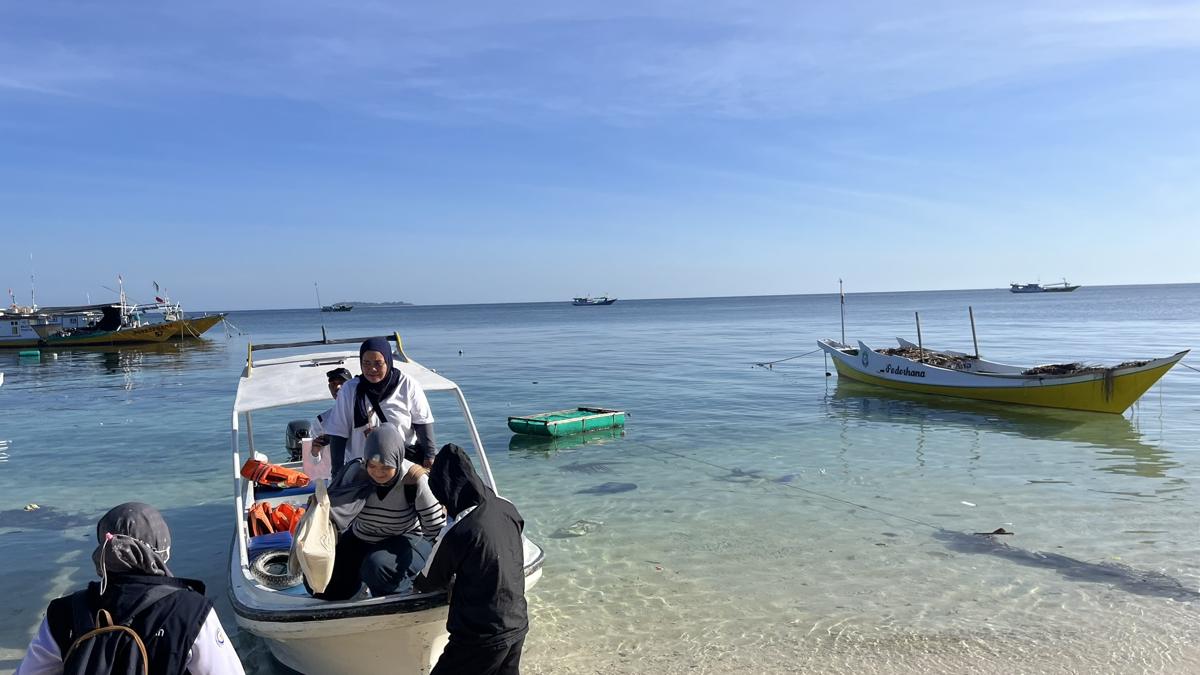 Boats landing on Langkai, where the island hub will stand.
Cooling when the weather turns
When bad weather stops boats reaching the city, fishers on the island cannot buy ice. A hub at the landing site keeps fish and packs cold on the island until runs resume, so a storm no longer means a lost catch.
A hub at the landing site means a storm no longer has to mean a lost catch.
Built to scale into what already exists
The two pilot hubs are our own, off-grid, so we can prove the model under our control. Many cold stores and ice plants already exist in Indonesia, including the government’s Kampung Nelayan Merah Putih fishing-village facilities. As we scale, existing cold stores can add our packs and operating model, extending cooling to fishers at sea and to inland buyers.