Turning low-value catch into food products
Low-value fish that is sold cheaply or thrown away can become food products, with chilled storage and training.
In our 2026 field study, women on Langkai worked mainly in processing and selling fish. Their work turns part of the catch into dried fish and prepared food for the island and nearby markets.
Three problems that limit income
When catches are large, low-value fish is sold cheaply or thrown away because it cannot be kept. Women have had little training to make products that meet what buyers require. And they have few links to buyers beyond the local market.
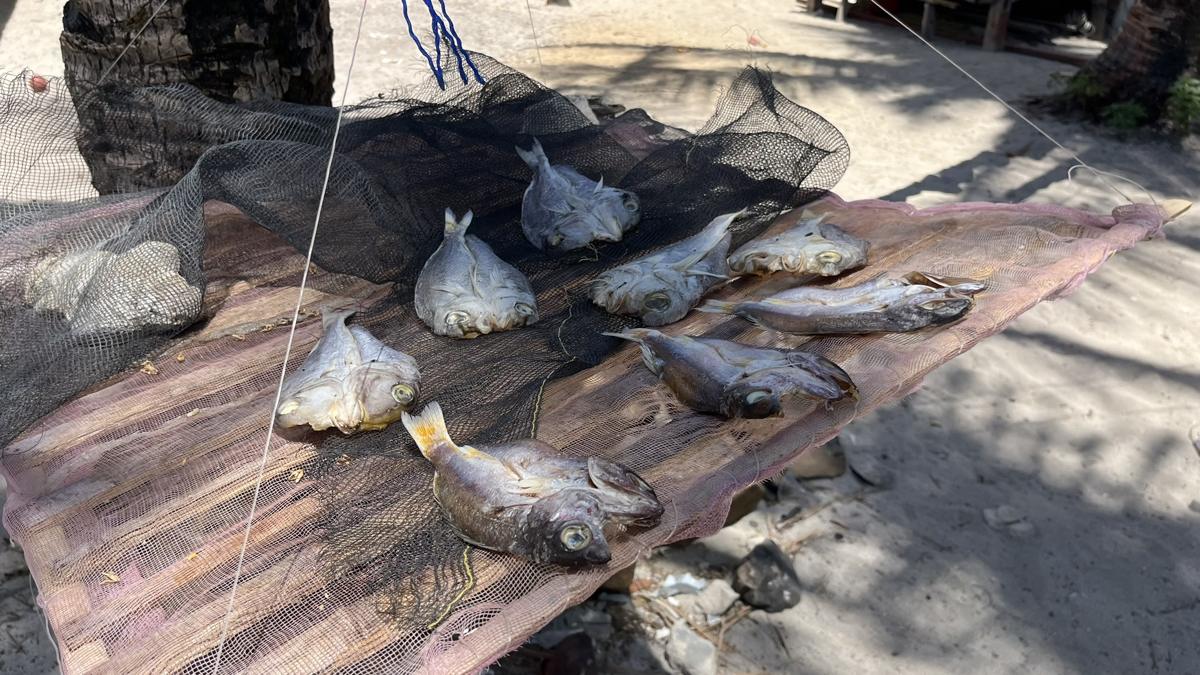 Fish drying in the sun on Langkai.
What changes with the hub
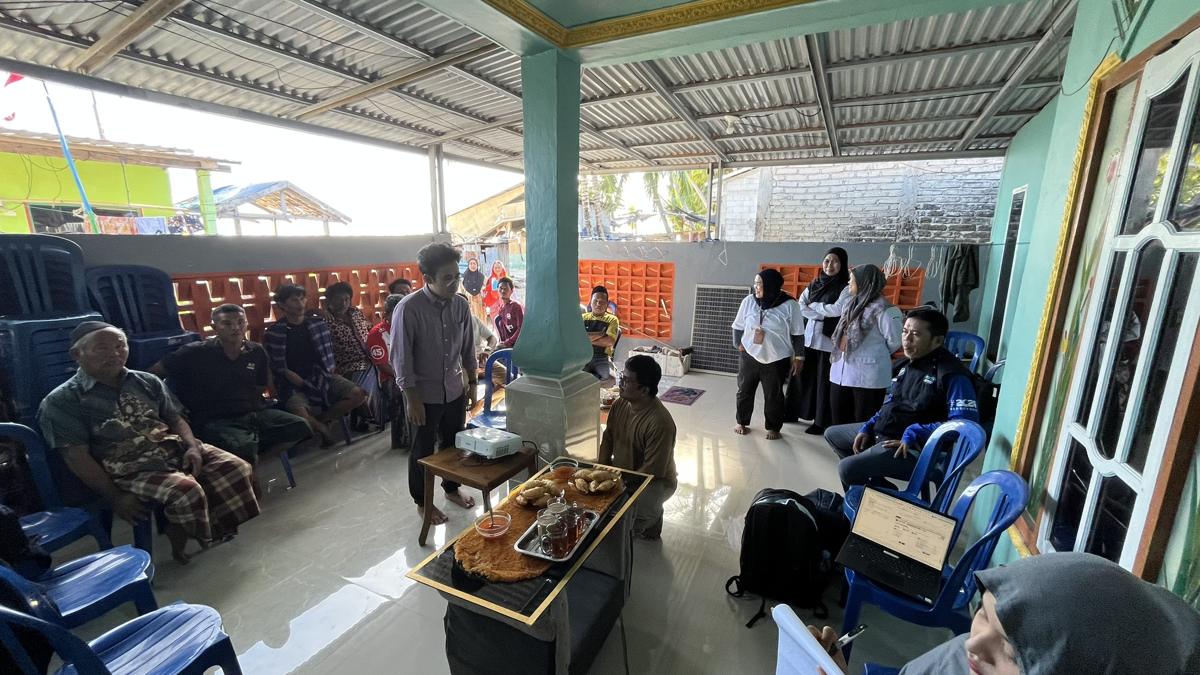
The hub can store oversupply chilled, so low-value fish is kept fresh until it can be processed. Training with UNHAS’s Faculty of Marine Science and Fisheries focuses on quality and food safety, so products meet buyers’ requirements. Nelavo then connects these products with buyers in Indonesia and Japan.
Fish that used to be thrown away can be kept fresh until it is processed.
Women’s group members also sit on the hub committee, which decides pack rules, schedules and prices with fishers, operators and village representatives.
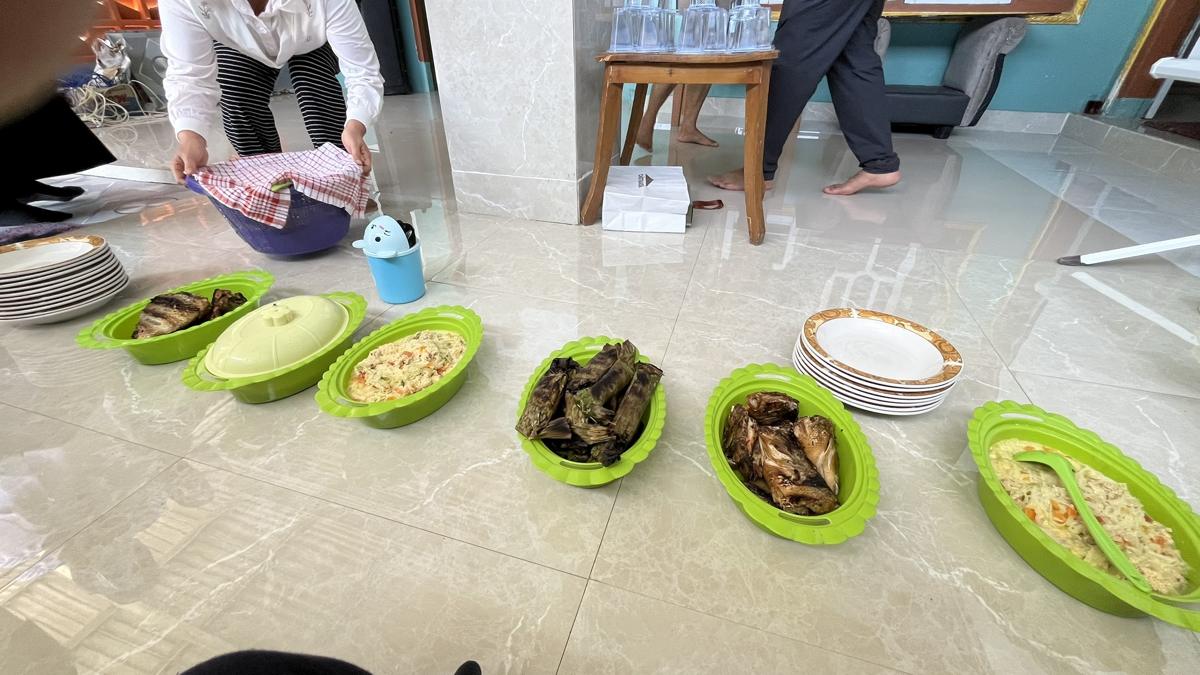
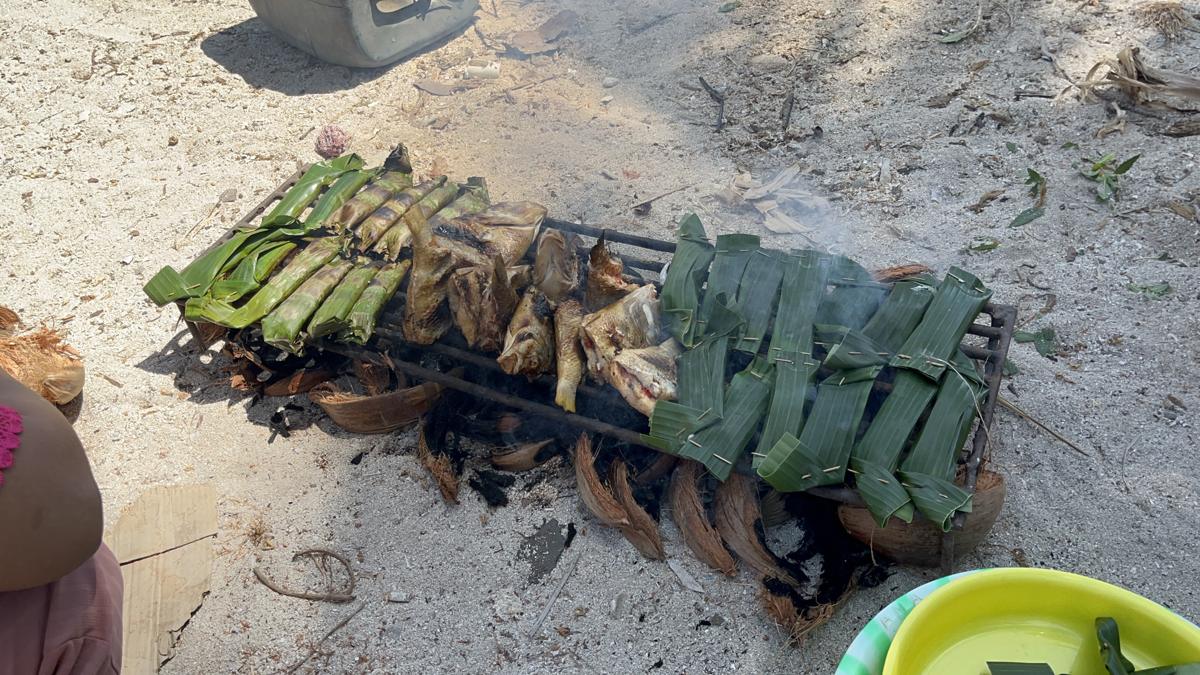 Fish grilled in leaves on Langkai.