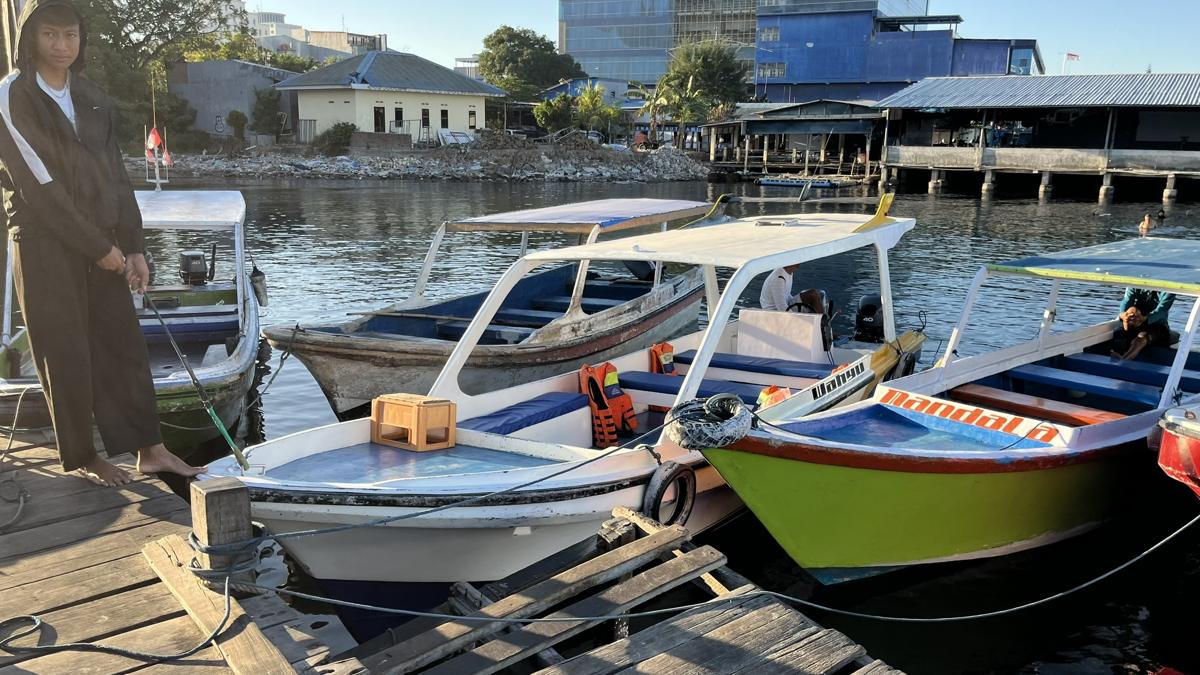
Four lessons that shaped Nelavo before we bought any equipment
Before buying any equipment, our field studies showed that the hard part of a cold chain is people, not machines. Four design choices followed.
Cooling technology for small-scale fishers already exists. Off-grid solar cold storage works in remote Indonesian villages, and PCM cold packs are used commercially in Japan. Indonesian suppliers already provide solar cooling to government, donor and private projects.
What our field studies and earlier projects kept showing is that the harder problem is socio-economic: whether people adopt the technology and keep it running. Debt, existing arrangements with collectors and the way a community is approached matter as much as the equipment. So we designed the business model and the way we work with the community first.
1. Start with fishers who are free to sell
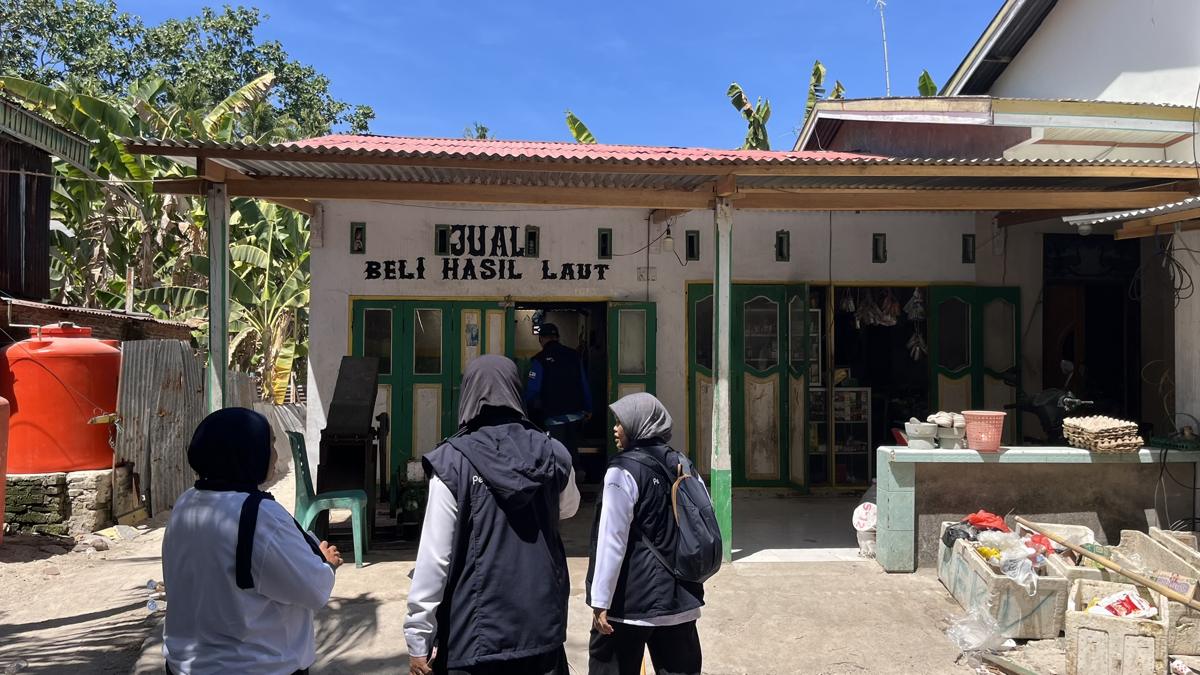
Many fishers borrow from collectors who supply their ice and buy their catch. We start with fishers who have no such obligation, prove the model, share the results, and then invite collectors to join as hub agents or buyers.
2. Make quality visible
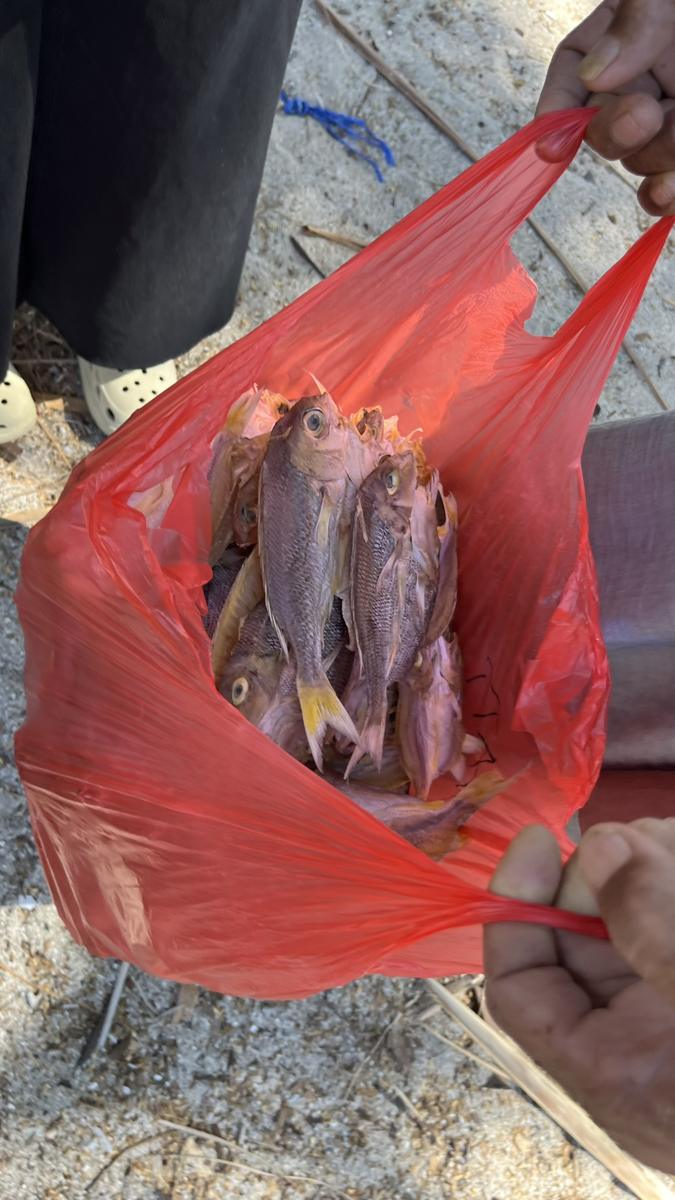
Fish prices vary widely by grade, but buyers have no proof of how the fish were handled. Every Nelavo box carries a temperature logger, so each batch arrives with a record from boat to buyer. That record supports a premium grade that buyers pay for.
Facilities built without trained operators or committed buyers often stop working.
3. Run the hubs ourselves, with buyers from day one
Cold stores built without trained operators or committed buyers often fall out of use. We operate the hubs as a business, train local operators, and agree the premium grade with buyers before field operation starts.
4. Keep the boat simple
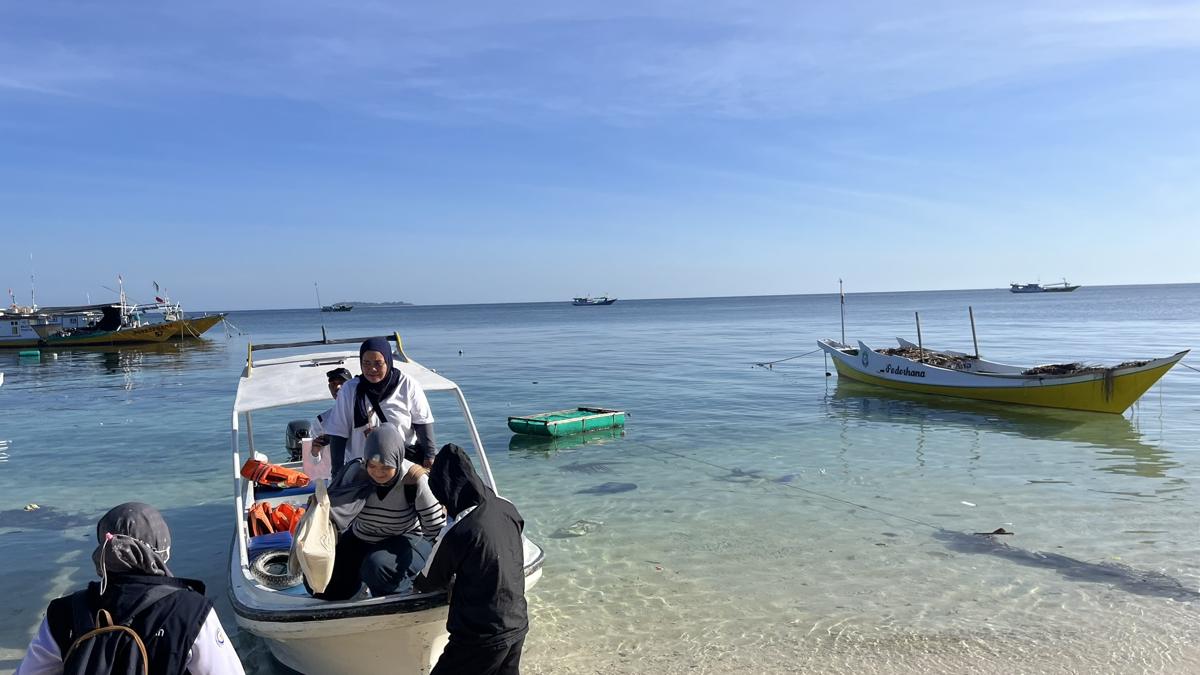
Langkai’s canoes have little room for ice, let alone panels or batteries. So the cooling comes from packs charged on shore and carried in an insulated box.
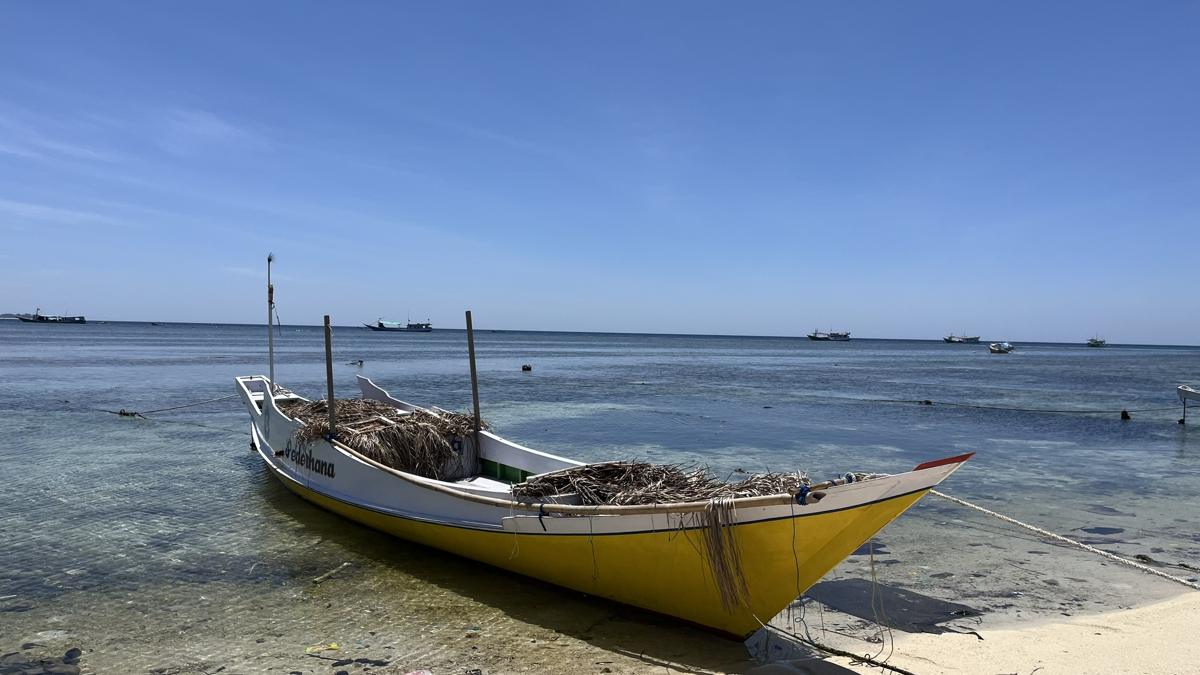 A hand-line canoe off Langkai. There is little room on board for anything but the catch and a box.
Every hub component is available in Indonesia. The packs come with their own cooler box for now, and ITB is helping us choose a locally made box to replace it.