From test trips to a working service: the 17-month pilot
The pilot runs for 17 months in five phases, from test trips and a baseline survey to a working service and a plan for the next islands.
Nelavo runs as an operating business from the first month, so the pilot tests the same service, costs and prices that will continue afterwards. Construction of the first hub on Langkai is planned to start in early 2027.
Phase 1 · Preparation (months 1–4)
Building on ITB’s completed tests and our own pack trials, we finalise the hub size and the on-board set-up. With UNHAS we run a baseline survey and community meetings, select participating fishers and help them register in KKP’s KUSUKA database. We secure land-use agreements, agree the premium grade with buyers and set the emissions baseline.
Phase 2 · Hubs and training (months 3–7)
Two off-grid solar hubs are installed and tested: one on Langkai and one near the fish market in Makassar. Local young adults are trained as operators and fishers learn to use the packs. Before real fish and buyers are involved, we simulate the whole service, from issuing packs to returning and recharging them.
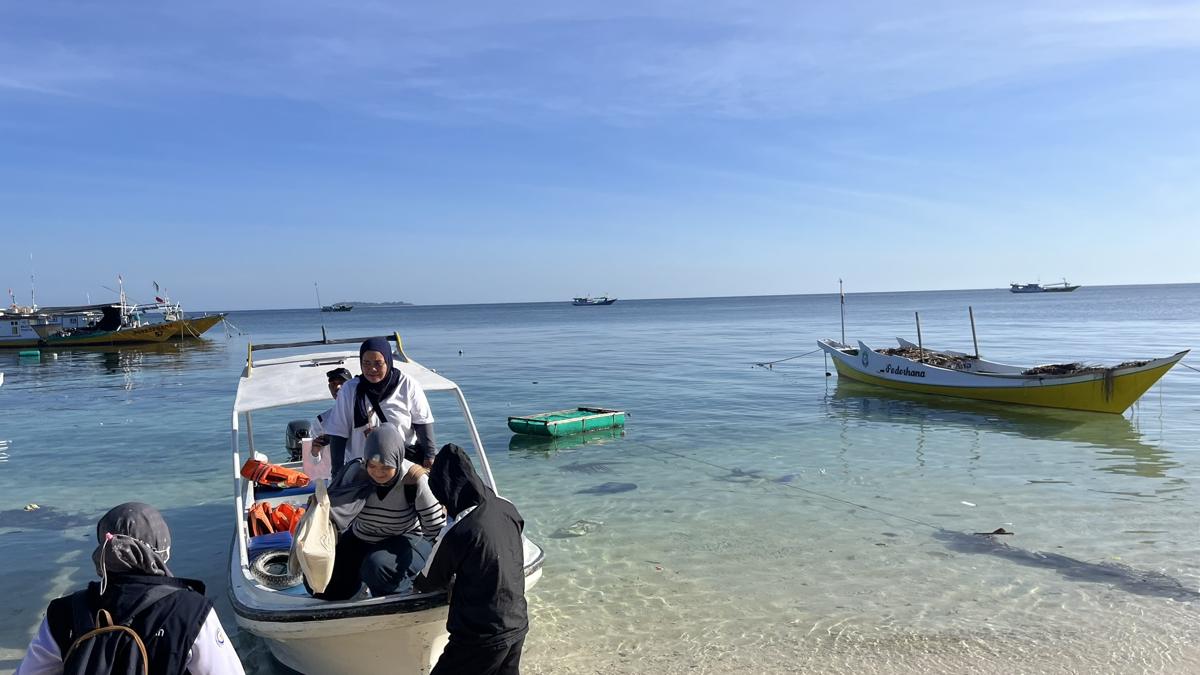
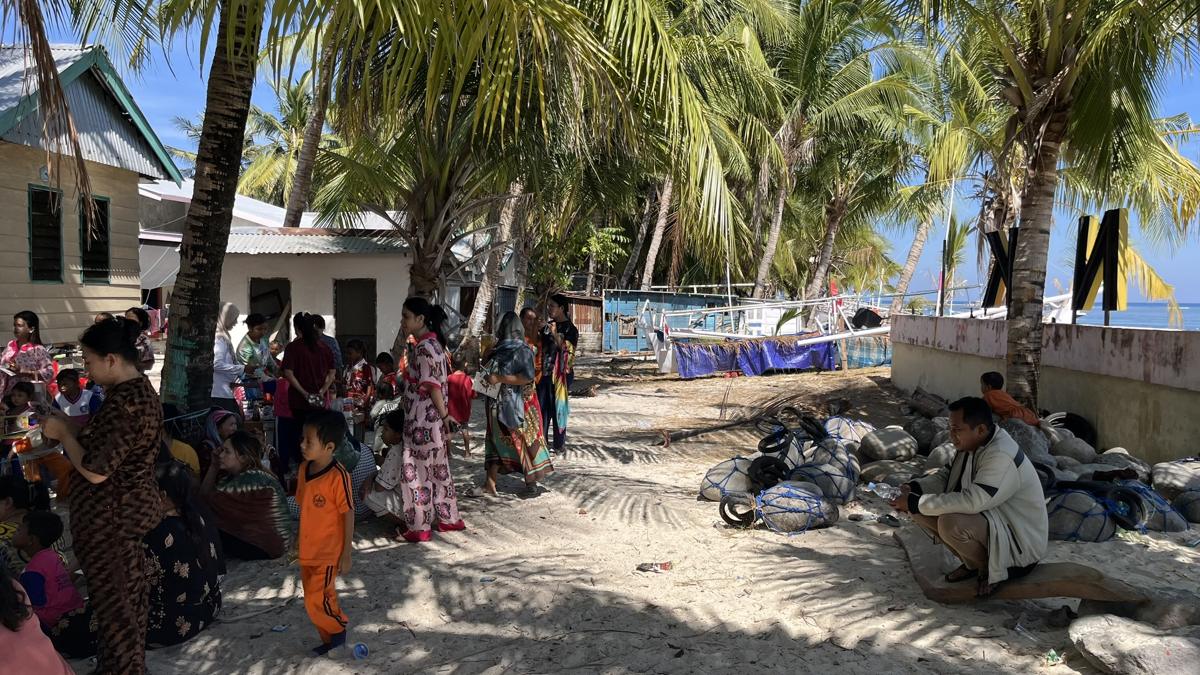
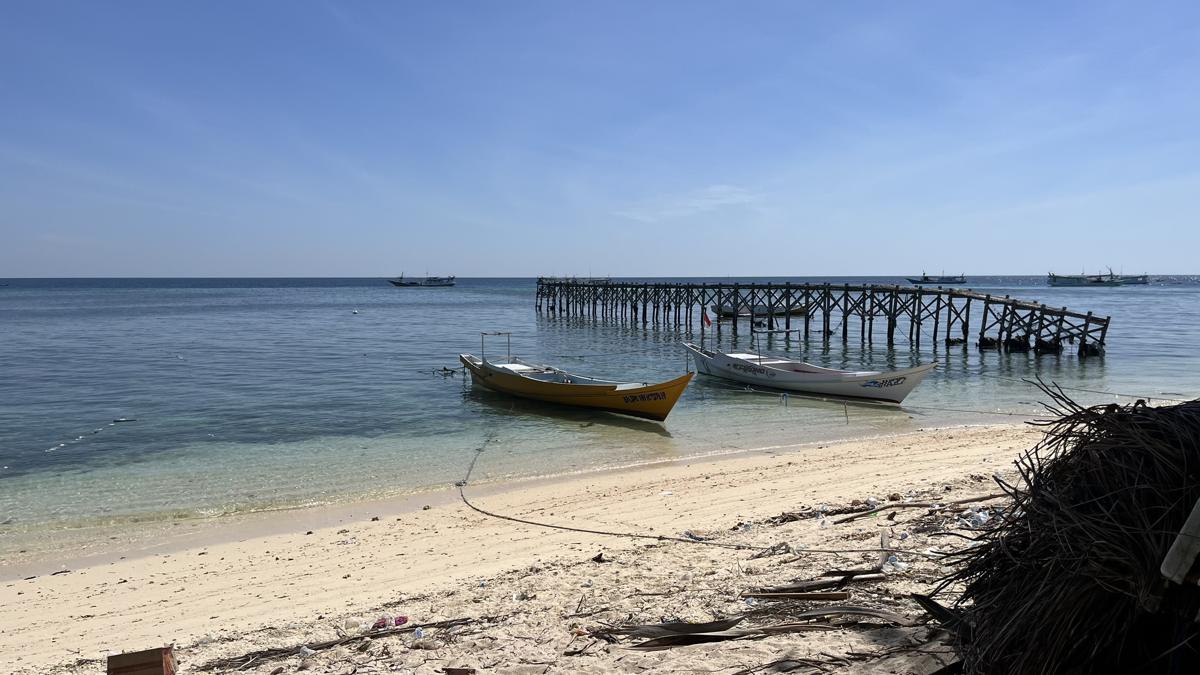 Langkai, where the first hub will be built.
Phase 3 · Field operation (months 7–13)
Fishers sell eligible fish at the Langkai hub. The fish travels in the same cold box on scheduled boat runs to Makassar and on to buyers. The Langkai hub can hold fish until there is a full load for the city, which means fewer trips. We compare prices and margins with current practice and test pack rental to inland traders.
Phase 4 · Inclusion and expansion (months 7–15)
Women’s groups process low-value species and we link their products to buyers. Once results are visible, the service extends to neighbouring islands through pack collection points or new hubs, and collectors are invited to join.
Phase 5 · Results and next steps (months 14–17)
An end-line survey measures change against the baseline. We calculate the emission reductions and publish a cost model and operating guide for new hubs.