How Nelavo pays for itself
The hubs are run as a business from the first month. Here is where the money comes from and why costs fall over time.
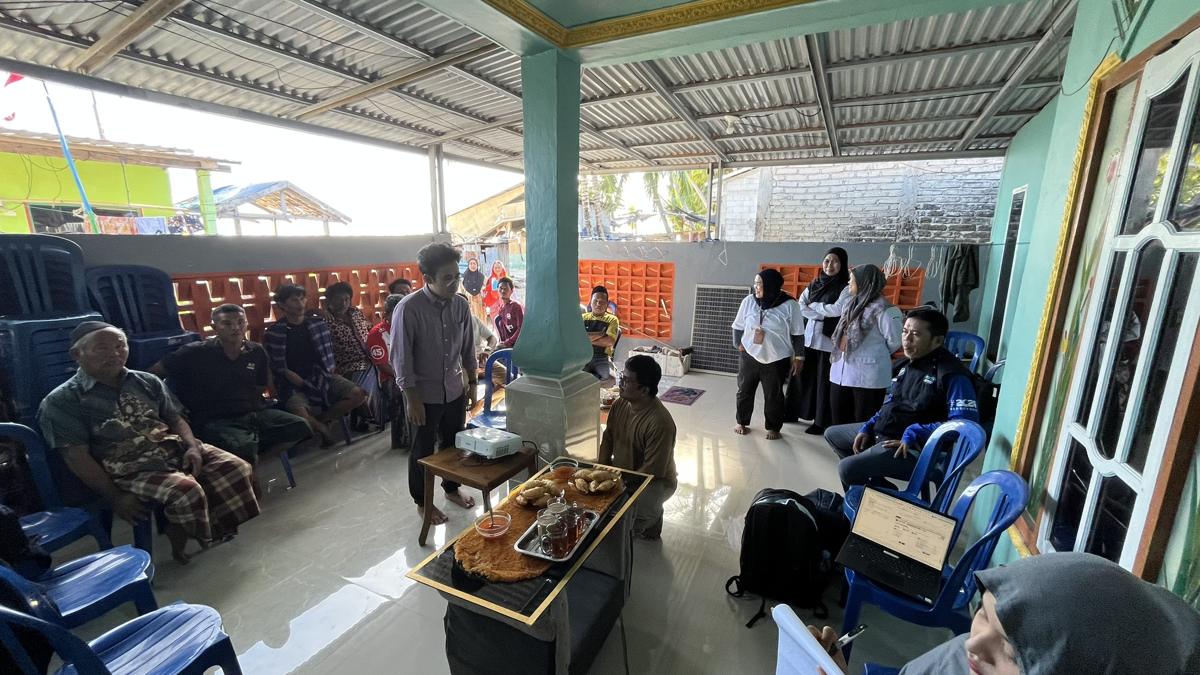
Many cold stores built for fishers stop working when the project that built them ends. Nelavo is designed the other way round: the hubs run as a business from the first month, so revenue can keep them running afterwards.
What fishers save
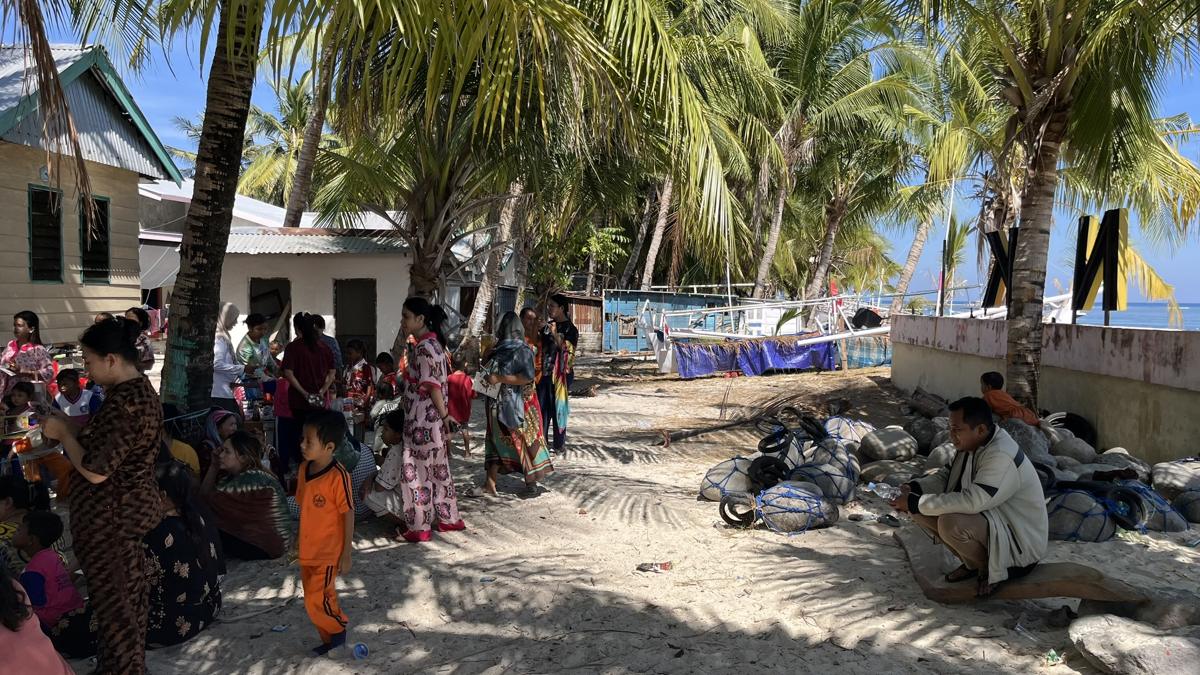
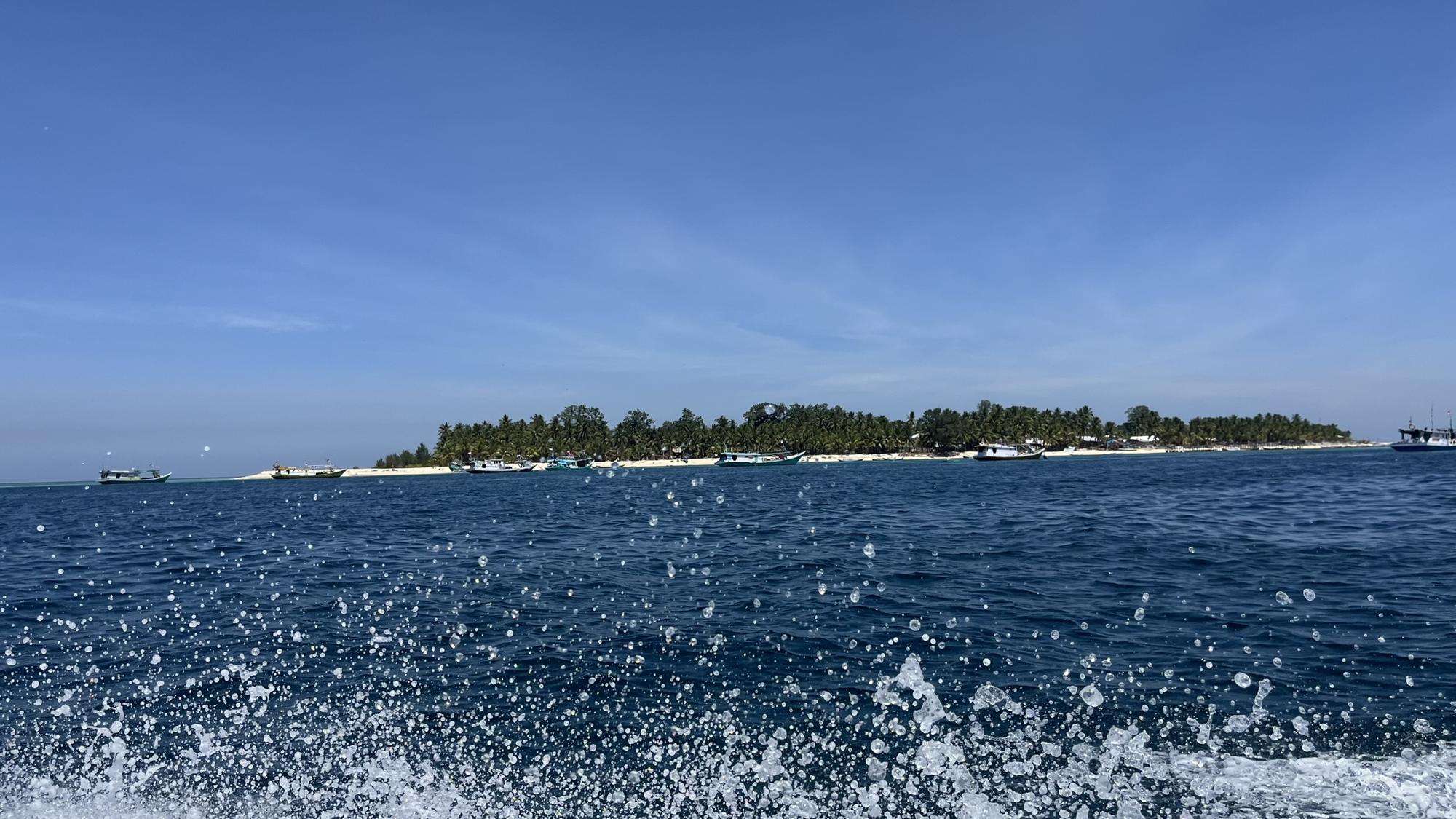
Fishers on Langkai told us they spend IDR 150,000 to 200,000 on ice before each trip. Fishers who sell eligible fish to the hub receive charged packs free, so that cost disappears and they do not need to borrow for it.
Where the revenue comes from
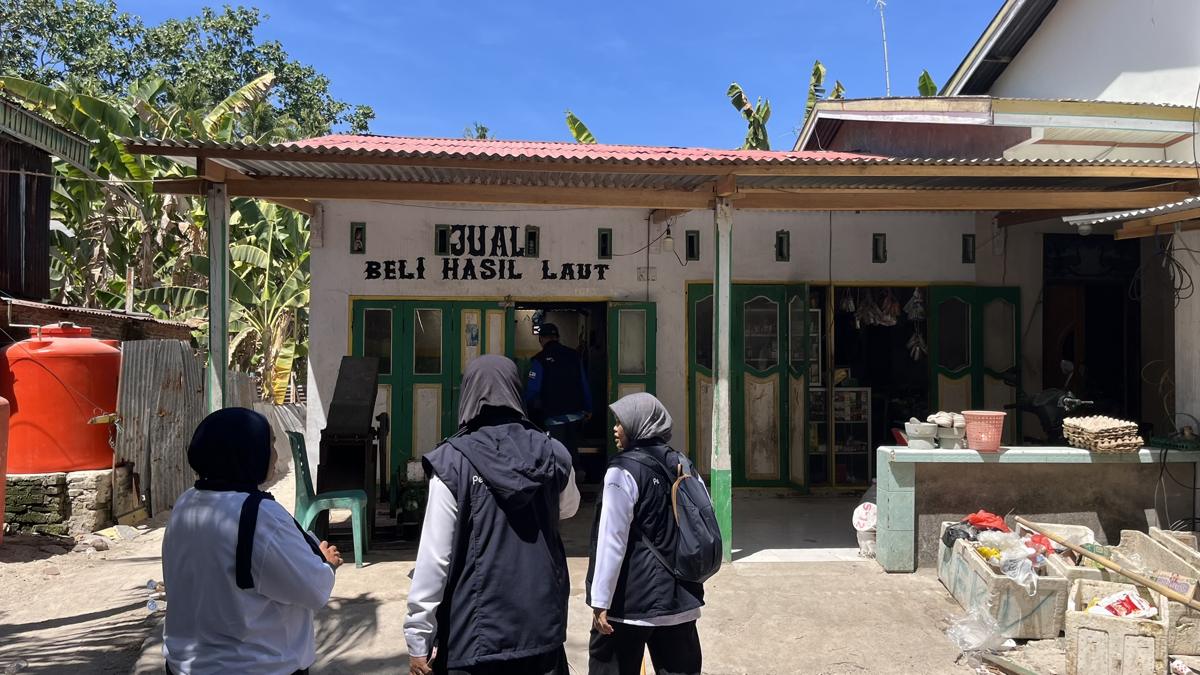
The main income is the margin on premium-grade fish: fish with a full temperature record that buyers in Indonesia and Japan pay more for. Traders rent packs for inland transport, so they can use ordinary vehicles instead of refrigerated trucks. Packs can also be sold directly, and women’s groups sell processed products made from low-value fish.
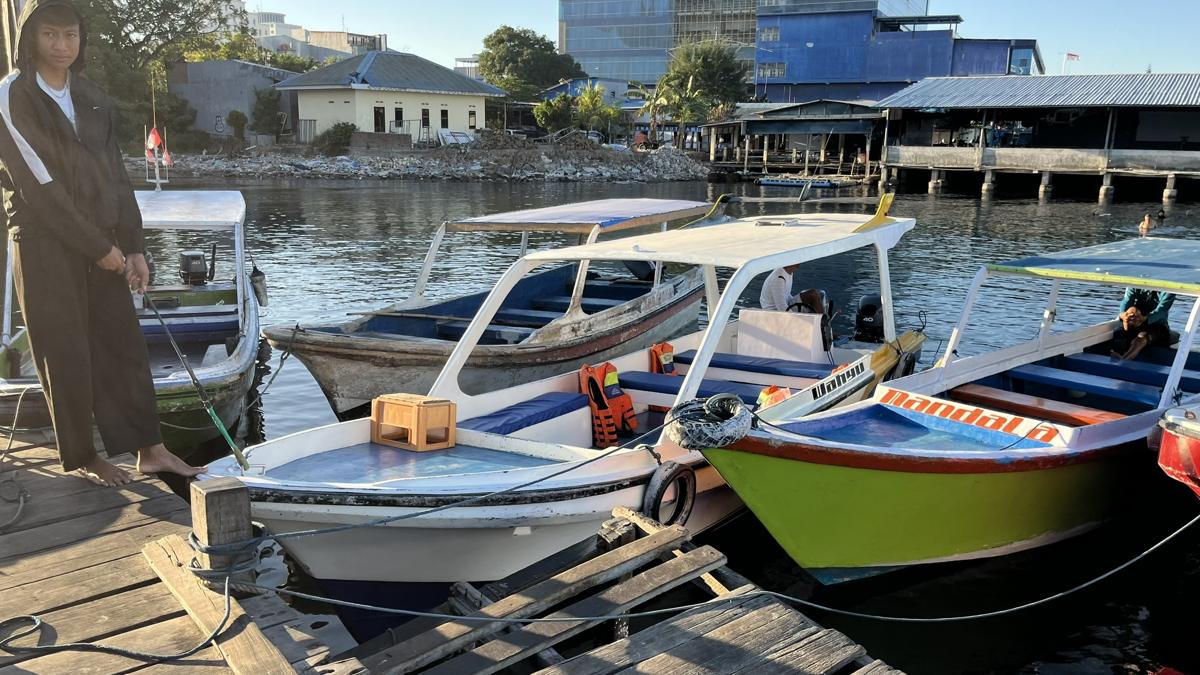 Makassar harbour, where island fish is sold on.
Why costs fall
Solar charging removes fuel costs. Locally made insulated boxes will replace imported ones, and local manufacturing of the packs will lower their price as demand grows. The Langkai hub can hold fish until there is a full load for the city, so fewer boat runs are needed.
Carbon finance would be extra income. The model does not depend on it.
If emission reductions later qualify under the Indonesia–Japan Joint Crediting Mechanism, that income comes on top. The pilot’s cost model will show whether the margins cover operations, and prices and volumes will be adjusted before the pilot ends.