Fishers in the Spermonde Islands borrow to buy ice. Then they must sell to the lender.
On small islands off Makassar, the ice that keeps a catch fresh often comes on credit, and the credit decides who buys the fish.
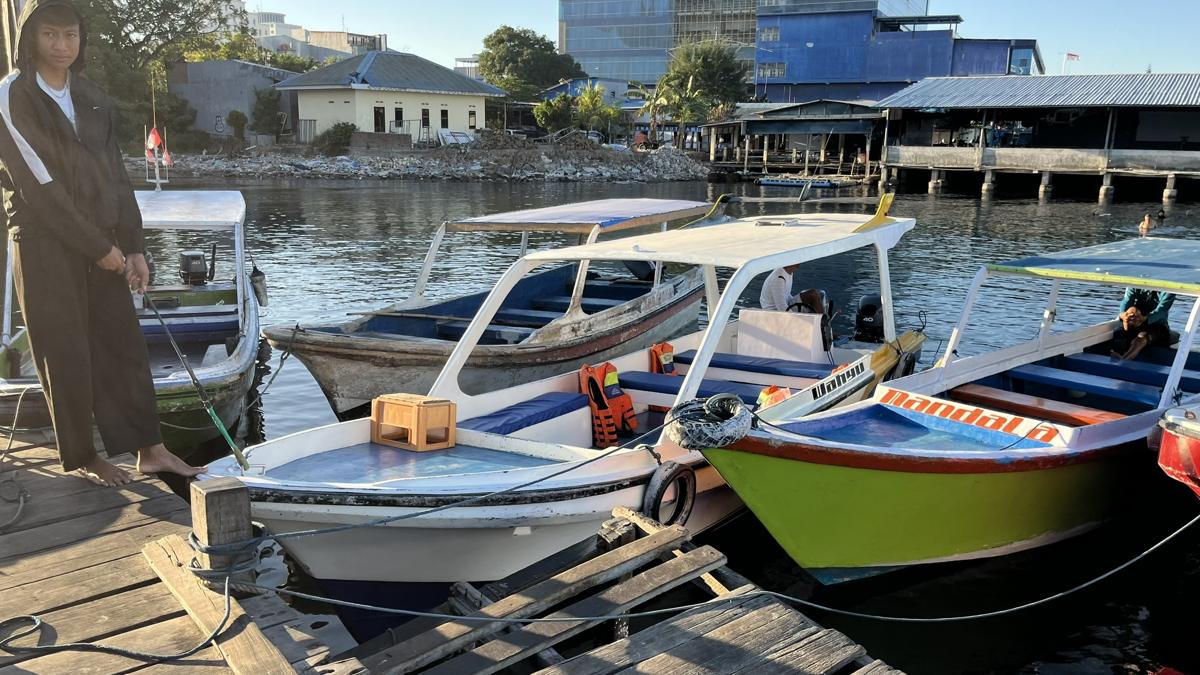
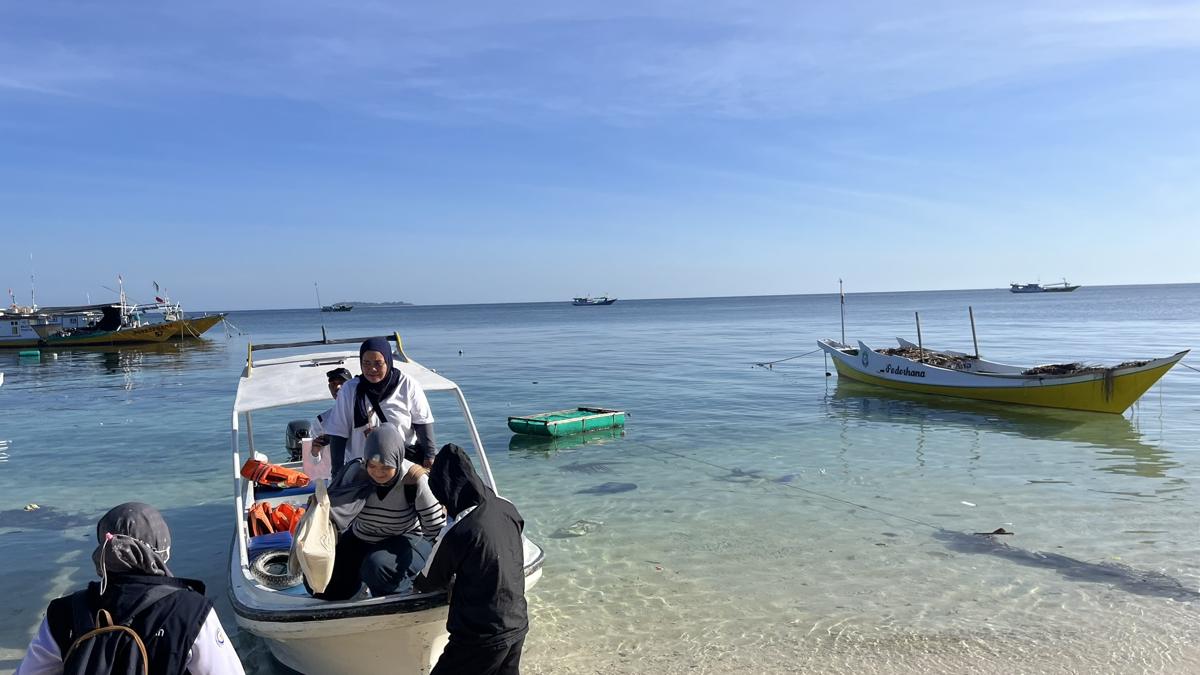
Langkai is a small, flat island in the Spermonde Islands, a boat ride from Makassar in South Sulawesi. Most households live from the sea. Fishers go out in narrow wooden canoes with outboard engines and fish with hand lines for octopus, squid, reef fish and, in season, mackerel and scad.
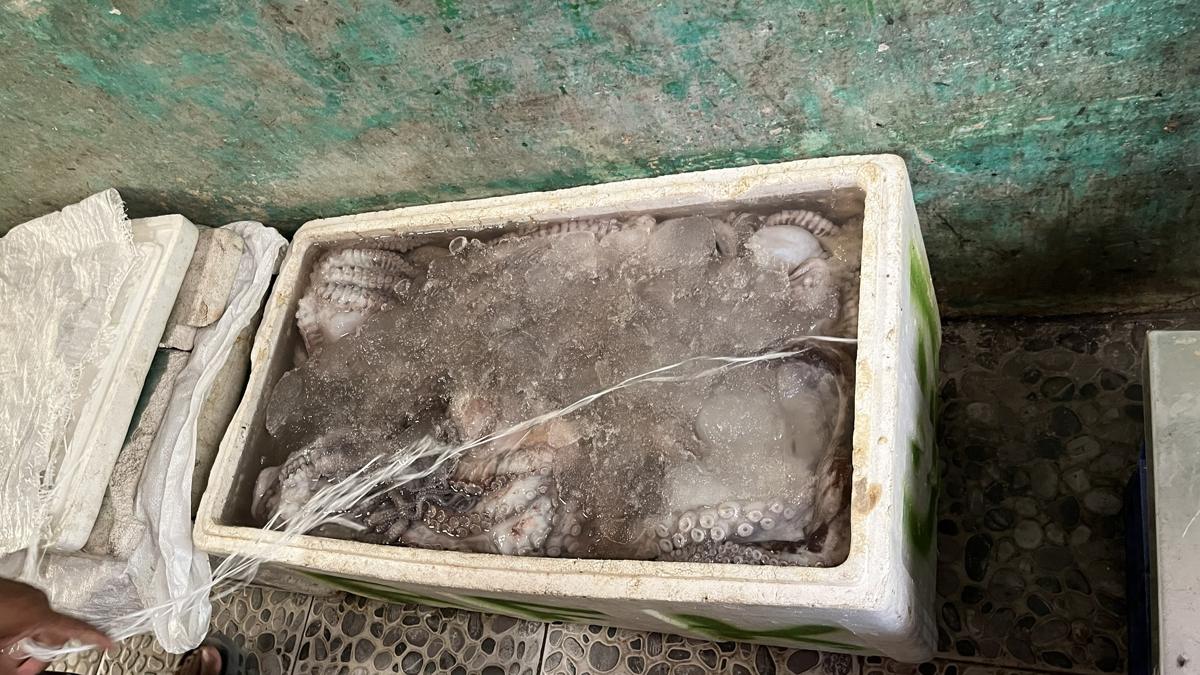
The boats have no ice hold and no cooling. Fish goes into a styrofoam box with block ice bought before the trip, and the ice has to be brought to the island from outside.
Ice on credit
In our 2026 field study, fishers described a familiar arrangement. A collector, often called a punggawa, advances money for fuel and ice. In return, the catch is sold to the collector, at the collector’s price. The loan is renewed trip after trip, so the arrangement rarely ends.
The ice that keeps the catch fresh is also what ties the fisher to one buyer.
Not every fisher is in this position. Some have no debt, and some owe money without any obligation to sell to the lender. But for many, the person who supplies the ice also sets the price of the fish.
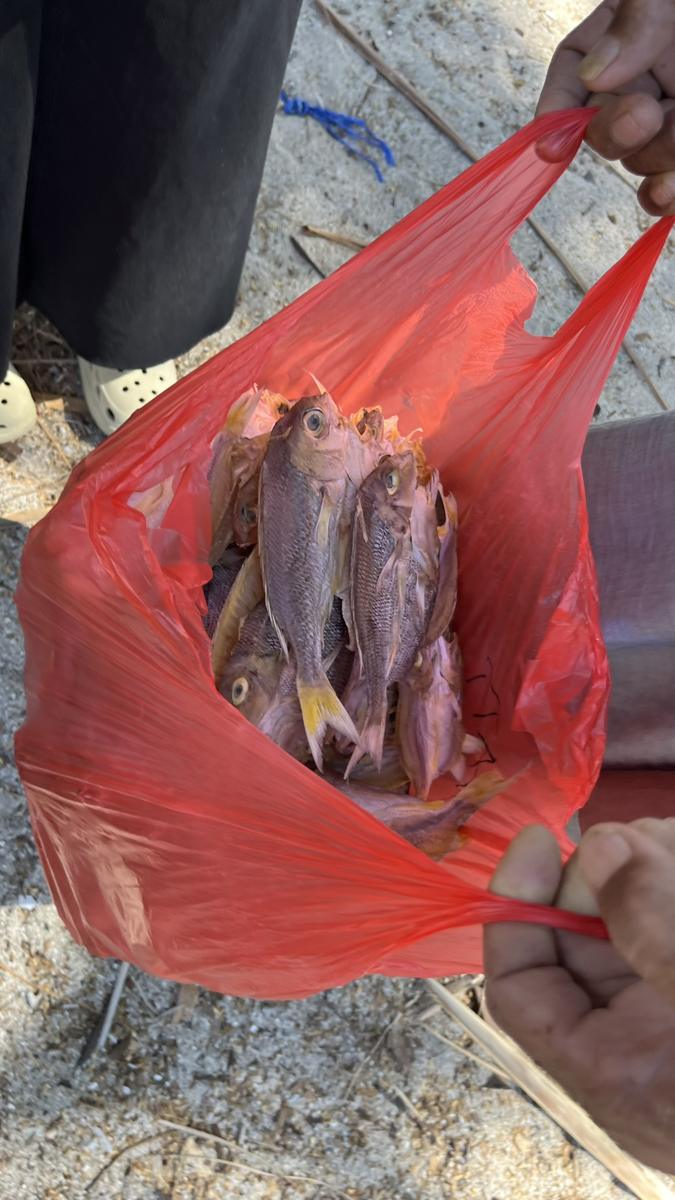
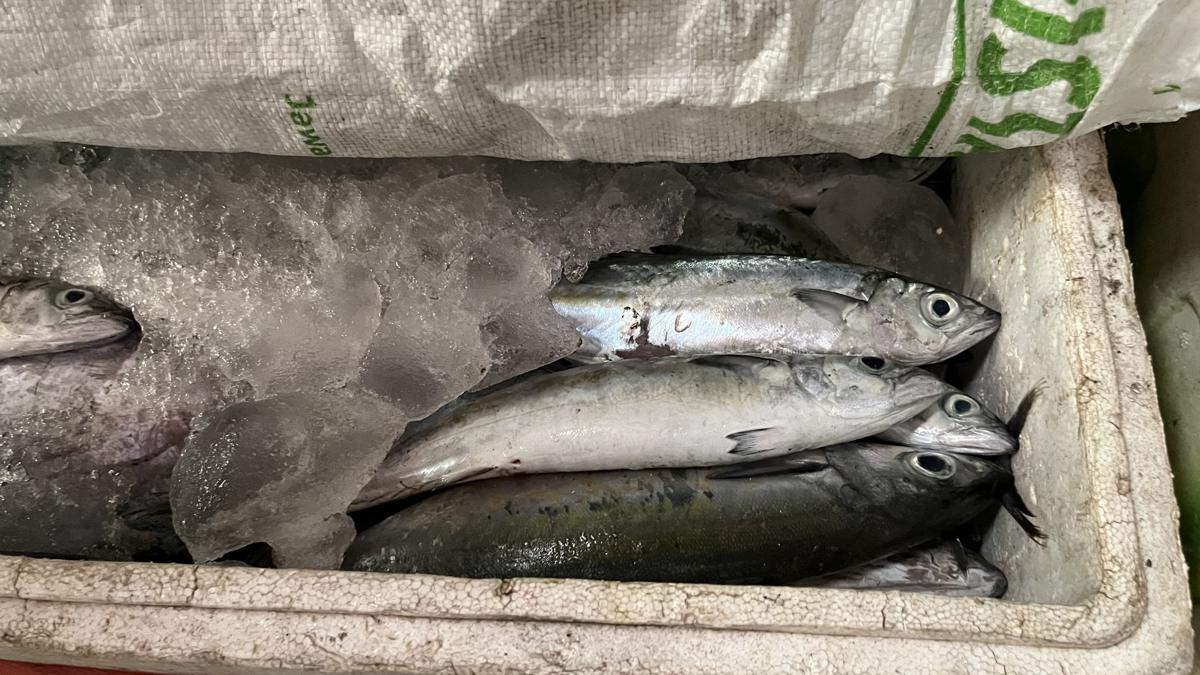 Catch packed in a styrofoam box on Langkai.
Why the island price stays low
A fisher with a small catch cannot fill a boat to Makassar, where the same fish sells for more. So the fish is sold on the island. Block ice also melts within hours. Its meltwater soaks the fish, and fish that warms up drops a grade. Grade sets the price, so a weak cold chain lowers what the fisher is paid even before the fish leaves the beach.
Where Nelavo steps in
Nelavo replaces bought ice with reusable cold packs that are charged at a solar hub on the island. Fishers who sell eligible fish to the hub receive charged packs free, so they can join without new debt or upfront cost.
We start with fishers who are free to sell their catch to us. This avoids conflict with existing arrangements. Once results are visible, collectors are invited to join the model as hub agents or buyers, so the people who finance fishing today have a role in a higher-value chain.
Sources: PT Inovasi Tangguh Bencana field study and fisher interviews, Pulau Langkai and Makassar, 2026.